You’re already on the roof, and all your access equipment is in place. What if you could earn more without doubling your workload? You can! The right add-on can increase the value of your job without extra hassle.
This blog post will share the most profitable roofing upsells that solve genuine customer problems while helping tradies, roofers and contractors increase their average job value. Today we’re going to discuss three of the best add-ons, in my opinion: roof anchor points, impact-resistant shingles, and whirlybirds!
These upsells make efficient use of your time, require minimal extra administration and reduce the risk of complaints or callbacks. They can also be easily presented to your clients as useful, optional improvements rather than aggressive upsells.
Ready to make extra money on your next roofing job? Read on!
What Makes a Profitable Roofing Add-On?
A profitable roofing add-on should create clear value for both the customer and for you as the contractor! It needs to be practical and straightforward for you to include while the main roofing work is already underway. The best add-ons:
Solve An Identifiable Problem
The upgrade should address a genuine issue that your customers struggle with, such as poor roof ventilation, unsafe access, storm damage risk, blocked gutters or damaged insulation.
Are Easy For The Customer To Understand
Customers are more likely to approve an add-on when the issue, benefit and cost can be explained clearly and without technical jargon.
Fit Naturally Into The Current Scope
The most efficient upgrades make good use of the access equipment, labour and tools already on-site, reducing extra setup time.
Don’t Depend On Exaggerated Claims
Honest recommendations build trust. So the best upsells don’t guarantee zero maintenance or complete protection from future damage. They promise realistic improvements.
Are Easy To Recommend To The Client
A good add-on should feel like sensible professional advice rather than a forced sales pitch.
Ultimately, the most profitable roofing upgrades are those that are easy to quote, simple to deliver and genuinely useful to your customer. When you choose the right upsell, it will be profitable for you and leave your client happy.
So let me share with you my three best suggestions for profitable, successful roof add-ons!
Roof Anchor Points

What Is It?
Roof anchor points are permanent safety fixtures installed on a roof to provide secure attachment locations for fall-arrest or fall-restraint equipment. They make future roof access safer for contractors carrying out inspections, repairs, gutter cleaning, solar panel maintenance, air-conditioning servicing or more!
They are a strong upsell option for tradies because they are installed as part of planned or reactive roof works, meaning the access equipment, labour and safety setup are already in place. This makes installation more cost-effective for both you and the property owner, while also saving them from arranging a separate visit later. Roof anchor points also add long-term value by improving site safety compliance and reducing future setup time for any contractor working on the roof!
It’s important to note that anchor points should always be installed by a professional and in line with relevant standards, manufacturer instructions and site-specific requirements!
When Is It Worth Recommending?
Roof anchor points are very useful on properties that will require regular maintenance or have difficult, steep or restricted access. Consider recommending them when:
- The roof has no existing fall-protection system
- Current anchor points are damaged, corroded or poorly positioned
- Solar panels, air-conditioning units or other equipment require regular servicing
- The property is commercial, industrial, strata-managed or publicly owned
- A re-roofing project creates an opportunity to install anchors correctly
- Future contractors would otherwise need temporary safety systems for each visit
This upgrade can provide long-term value by helping your clients plan for safer and more efficient maintenance access!
How to Present the Upgrade
If you decide to upsell roof anchor point installation, it’s best to focus on practical future use. Explain who might need access later and why installing anchor points during the current job may be more efficient than returning separately.
For example, you could say something like: “Because your roof is likely to need ongoing servicing, we can also provide a quote for roof anchor points. We can install them while all the access equipment is already in place, and they will make future maintenance safer and easier for you!”
Present the work as an optional safety upgrade, with clear pricing, scope, certification requirements and ongoing inspection needs. This makes the recommendation feel professional and useful rather than like an aggressive upsell!
Impact-Resistant Shingles
What Is It?
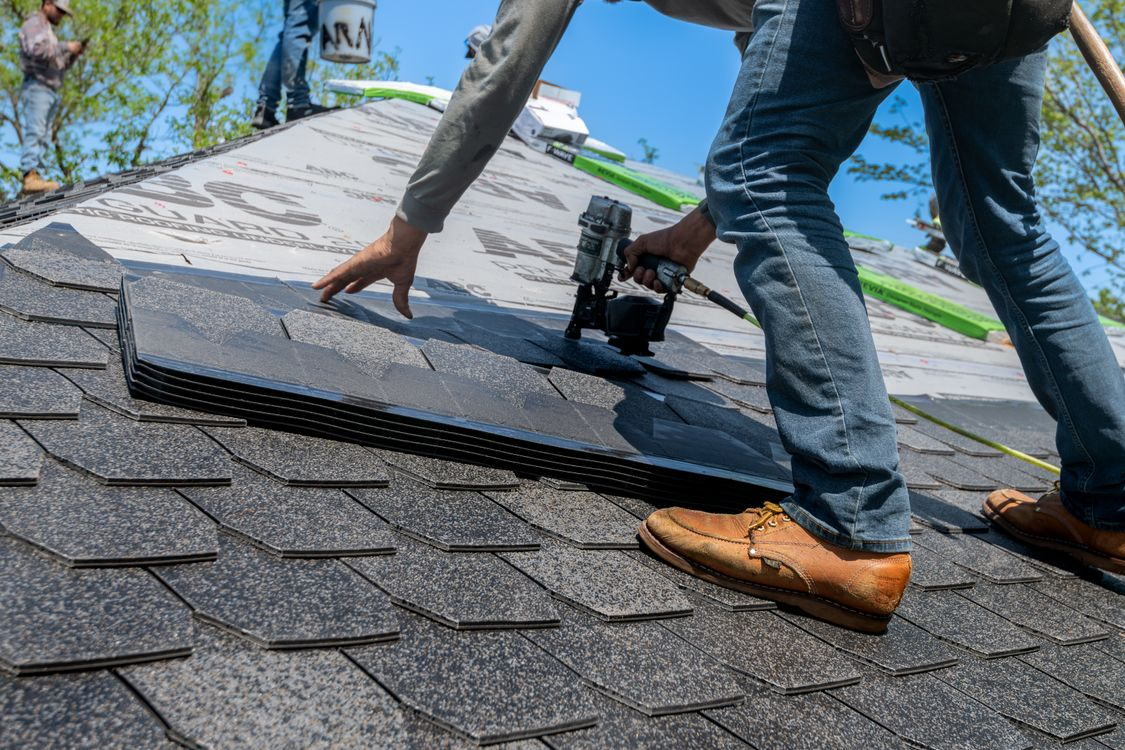
Impact-resistant shingles are a fantastic roofing material designed to withstand hail, falling branches, wind-driven debris and other physical impact! They are manufactured with reinforced materials or flexible components that reduce cracking, splitting and surface damage during severe weather.
They are a valuable upsell during a roof replacement because the customer is already investing in new materials, labour and access equipment! Upgrading the shingle specification at this stage is simpler and more cost-effective than replacing damaged roofing again after a future storm.
Impact-resistant shingles also provide extra peace of mind for property owners in areas exposed to hail or frequent severe weather. However, they should be presented as ‘more durable’ and not ‘damage-proof ‘. Their performance will depend on the product rating, installation quality, roof design and the severity of the weather event!
When Is It Worth Recommending?
Impact-resistant shingles are worth recommending when:
- The property is located in a hail- or storm-prone area
- The existing roof has suffered repeated impact damage
- The building is surrounded by mature trees
- The customer is replacing a roof following an insurance claim
- The property owner plans to remain in the building long term
- The customer prioritises durability over the lowest upfront price
- A premium roofing system could reduce the risk of minor future damage
This upgrade is especially profitable when the additional material cost is small compared with the total value of the roofing project!
How to Present the Upgrade
I recommend giving the customer a clear comparison between the standard roofing system and the impact-resistant option. Explain the difference in product rating, price, warranty and expected performance, but be careful not to guarantee that the roof will never be damaged.
You could say: “We can also price an impact-resistant shingle option. It costs a bit more upfront, but it’s designed to give your roof additional protection against hail and storm debris!”
You can then show your customer both options side by side, which allows them to make an informed decision without feeling pressured.
Whirlybirds
What Is It?
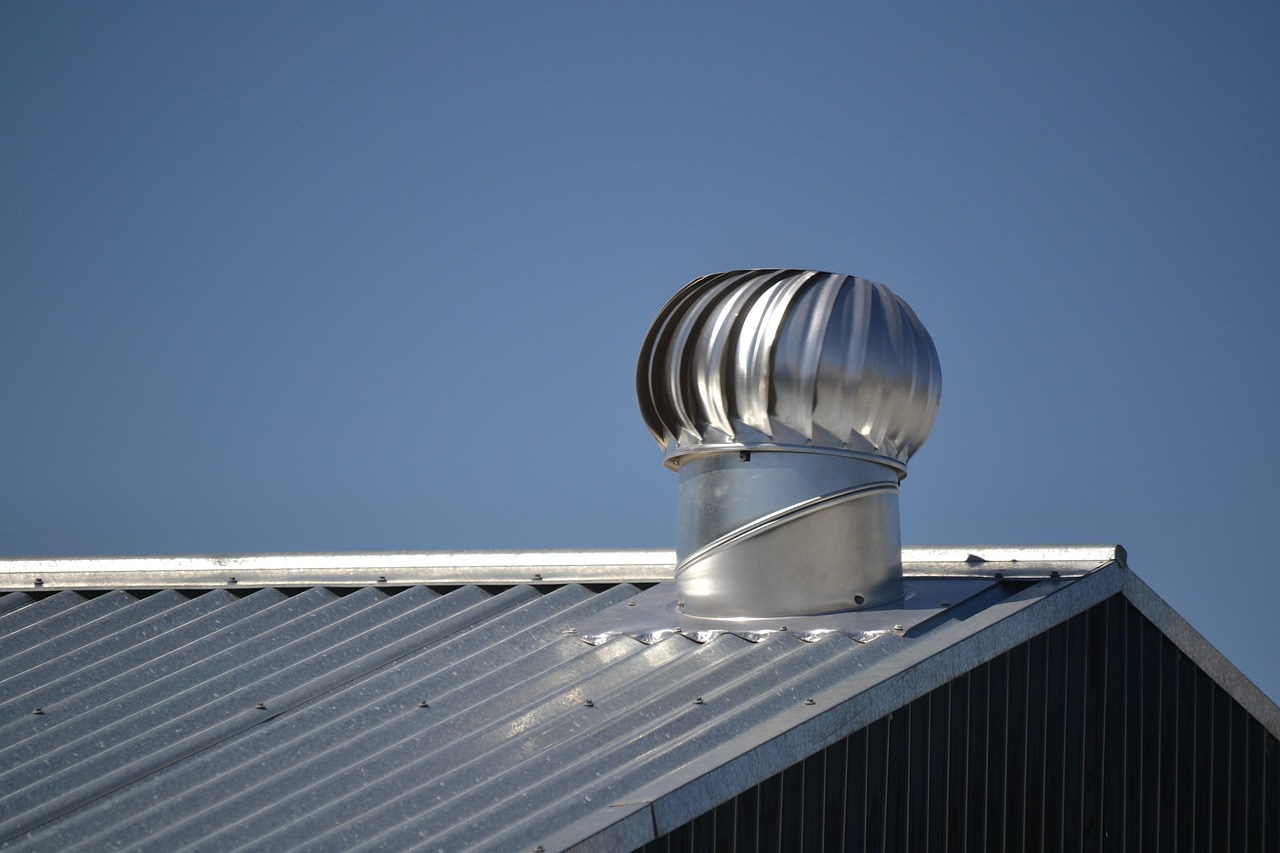
A whirlybird is a wind-driven roof ventilator designed to remove hot, humid or stale air from the roof cavity. Also known as a turbine roof vent, it rotates when exposed to wind, creating airflow that draws trapped air out through the upper section of the roof.
Whirlybirds are a practical roofing add-on because they can be installed while access equipment, labour and safety systems are already in place. This makes the upgrade more cost-effective for the customer than arranging a separate installation later. Whirlybirds also operate without electricity, making them an appealing, low-running-cost upsell!
Whirlybirds shouldn’t be presented as a guaranteed cooling solution, though. Their performance depends on roof size, layout, wind exposure, insulation and the availability of suitable intake ventilation through eaves, soffits or other vents.
When Is It Worth Recommending?
Whirlybird installation is worth recommending when:
- The roof cavity holds excessive heat during warmer weather
- There are signs of moisture or condensation
- The property has limited existing roof ventilation
- An old whirlybird is damaged, noisy or no longer spinning correctly
- A re-roofing or roof repair job makes installation more efficient
- The customer wants passive ventilation without electrical running costs
- There is adequate low-level intake ventilation to support airflow
How many whirlybirds should you install? That will depend on the roof layout, cavity size and manufacturer guidance! If you buy from a reputable whirlybird supplier, they can advise you on how many you need.
How to Present the Upgrade
I would start by explaining what you have observed in the roof cavity and how improved ventilation can help. Keep the recommendation practical and avoid promising exact temperature reductions!
For example, you could say: “We noticed there is limited ventilation in your roof space, so we can also quote for a whirlybird to help release trapped heat and moisture. Installing it now while we are already working on the roof will save you money on additional labour and access costs!”
You could also show them the Australian Government’s guidance on passive cooling, which explains how a well-ventilated roof space can help their home’s insulation perform effectively!
Roofing Upsells That Add Value and Reduce Callbacks
The best roofing upsells fit in easily within the job scope and deliver clear value for the customer. Whether you are recommending roof anchor points, impact-resistant shingles or whirlybirds, the key is to keep your advice practical, honest and relevant to the property.
Don’t forget to avoid exaggerated promises and explain the benefits clearly to your client. A well-chosen add-on can add value to your jobs, keep your clients happy, and earn you extra money without extra fuss!