The Most Common Central Coast Plumbing Problems And How to Prevent Them
Owning or renting a home on the Central Coast is a real delight. With its gorgeous beaches and laid-back atmosphere, it’s an ideal place to live. But what’s not ideal is the Central Coast plumbing problems that many homeowners in Terrigal, Gosford, Avoca Beach, and other coastal suburbs experience!
From stormwater blockages to grease buildup, many Central Coast plumbing problems can start small but quickly become expensive if you ignore them. The good news is that many of these issues can be reduced or even avoided entirely with the right maintenance and a better understanding of their causes!
In this guide, I’ll explain why coastal plumbing is unique, the most common Central Coast plumbing issues that affect local homes and what practical steps you can take to prevent them. I’ll also help you know when a professional inspection is worth booking and answer some frequently asked questions to help you protect your plumbing system for the long term.
Why Central Coast Plumbing Problems Are Unique
Central Coast homes face unique problems mainly because of the location! The central coast has an interesting mix of coastal conditions, established suburbs, and changing weather. Many homes are located in leafy neighbourhoods with mature trees, which means underground pipes and drains are more likely to be affected by root intrusion over time. Older homes in long-settled areas can also have ageing drainage systems that are more vulnerable to cracks, blockages, and general wear.
The local climate also causes many unique Central Coast plumbing problems! Heavy rainfall can quickly put pressure on your stormwater systems, especially if gutters, downpipes, and outdoor drains are already partially blocked by leaves or garden debris. In some areas, homes may also be built on sloping land, which can influence how water moves across your property and whether drainage systems cope well during wetter periods!
For homes closer to the coast, salt in the air can gradually corrode exposed plumbing components and accelerate corrosion in certain fixtures or fittings. On top of that, busy family households, entertaining, and day-to-day kitchen use can contribute to grease buildup and strain on drains. Together, these local factors make Central Coast plumbing conditions more demanding and highlight the importance of regular maintenance and early action.
The Most Common Central Coast Plumbing Problems
There are some Central Coast plumbing problems that recur in homes across the region. Understanding what causes them can help you, as a homeowner, prevent these issues! First, let’s identify what the most common problems are:
Stormwater Blockages
This is one of the most frequent central coast plumbing problems. When outdoor drains become blocked, rainwater cannot flow away properly, leading to water pooling, flooding your garden, or even water entering your home!
A major contributor to this is leaf debris. Many Central Coast suburbs are surrounded by trees, and leaves regularly build up in gutters, downpipes, and stormwater drains. Over time, this debris builds up into thick blockages that prevent water from moving through your system.
Ageing Drainage Systems
Another common issue is ageing drainage systems. Older homes may still rely on pipes installed decades ago, and these can crack, collapse, or become misaligned with age.
Tree Root Intrusion
This issue is also very common, especially in mature suburbs with established gardens and large trees. Tree roots naturally seek out moisture and can enter small cracks in underground pipes, eventually growing large enough to block or damage the drain.
Grease Buildup
Inside the home, grease buildup in kitchen pipes can slowly restrict water flow. When combined with food waste, it can create stubborn blockages.
Heavy Rain
During a Central Coast storm, heavy rain can overwhelm drainage systems, especially if you have blocked drains.
So now we know the most common problems, let’s learn how we can prevent them!

How To Prevent Them
Many common Central Coast plumbing problems can be avoided with simple maintenance and early intervention. Here’s how to prevent:
Stormwater Blockages
To prevent stormwater blockages, regularly check outdoor drains, grates, and stormwater pits to ensure they are clear. After storms, it is a good idea to remove any visible debris so water can flow away from your property. Keeping gutters and downpipes clean will help reduce leaf debris, too. I recommend cleaning your gutters several times a year, especially in autumn or after windy weather, to prevent leaves from washing into stormwater pipes and causing blockages.
Ageing Drainage Systems
For homes with ageing drainage systems, periodic inspections can make a big difference. Older pipes may develop small cracks or misalignments, so having them checked periodically helps you identify Central Coast plumbing problems before they become serious.
Tree Root Intrusion
Reducing the risk of tree root intrusion is a little trickier, as you need to manage trees and large shrubs near drainage lines. If the trees around your home are close to underground pipes, professional root cutting or pipe inspections may be needed from time to time.
Grease Buildup
To avoid grease buildup, never pour cooking oil or fats down the sink! Instead, allow the grease to cool, then put it in the bin.
Heavy Rain
Avoiding the problems caused by heavy rain involves good preparation. Before storms arrive, make sure your gutters, downpipes, and stormwater drains are clear so they can handle sudden downpours! You can keep up to date with all the latest storm warnings on the NSW Government website.
Central Coast Plumbing FAQs
Here are some of the most common questions I hear about Central Coast plumbing:
Does coastal air affect plumbing on the Central Coast?
Yes, homes closer to the coast can experience faster wear on exposed metal plumbing components because salty air can contribute to corrosion over time. This is especially relevant for outdoor fittings, hot water units, and pipe connections.
Why does my water pressure change throughout the day?
Water pressure can vary for a few reasons, including peak usage times in your neighbourhood, hidden leaks, faulty pressure regulators, or issues with older pipework. If the change is frequent, it is worth having it checked.
Can a small leak really increase my water bill that much?
Absolutely. Even a slow drip or a minor hidden leak can waste a surprising amount of water over weeks or months. Higher-than-normal water bills are often one of the first signs that something is wrong.
How often should a Central Coast home have its plumbing checked?
A general plumbing check every 1 to 2 years is a sensible approach for most homes, especially older properties or homes with a history of plumbing issues.
Should I get a plumbing check before buying a home on the Central Coast?
Yes, a pre-purchase plumbing inspection can help uncover hidden leaks, drainage concerns, water pressure problems, or ageing fixtures before you commit to buying a property.
When Is Professional Inspection Required?
If you are experiencing Central Coast plumbing problems, especially ones that keep recurring, a professional inspection is worth arranging! Recurring blockages, bad smells, soggy patches in the yard, changes in water pressure, or water backing up after rain can all indicate more serious underlying faults that a basic DIY fix will not solve. This is especially true if you have an older home or your property is in a leafy, established suburb where pipes are ageing or affected by tree roots.
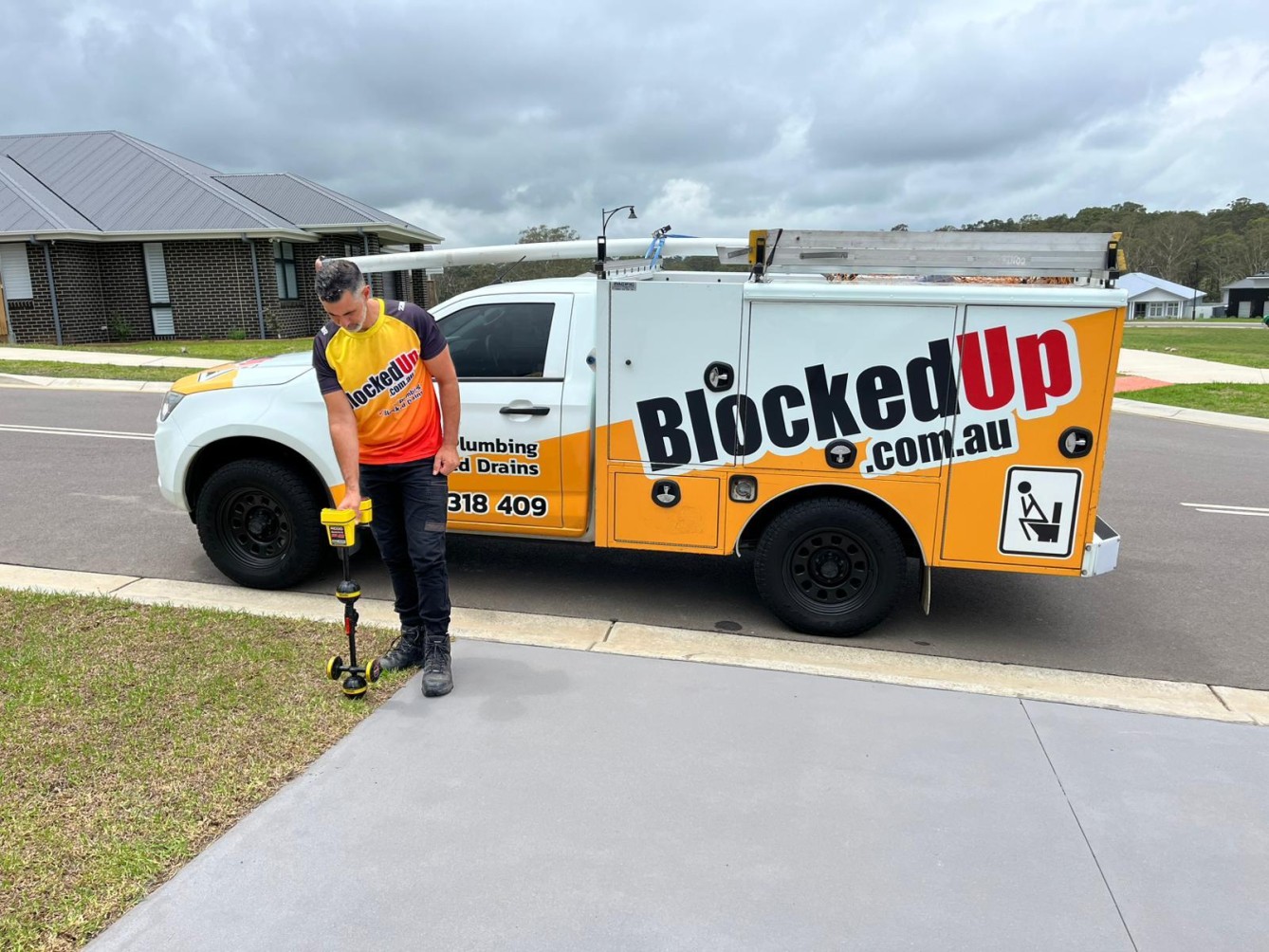
A licensed NSW plumber can identify the real cause of your Central Coast plumbing problem before it turns into a major repair job! With the right tools and experience, they can check for pipe damage, drainage issues, stormwater faults, and hidden blockages that are not visible from the surface. Acting early can save you a lot of money and help you prevent bigger plumbing problems in the future!